01
Understand the system before the screen
I map roles, objects, dependencies, states and constraints so the interface reflects how the product actually works.
Roles · objects · states · constraints
I’m Olesia, a product designer who works where business logic, data, AI and real user constraints collide. I turn that complexity into products people can understand, trust and use.
I work from ambiguity to structure — framing the real problem, making complex systems navigable, then carrying the solution all the way into scalable UI and handoff.
Users, business goals, product constraints, evidence.
Case studies are written around the decisions behind the interface: what was difficult, what changed, why I chose a direction, and how the solution improved the product experience.
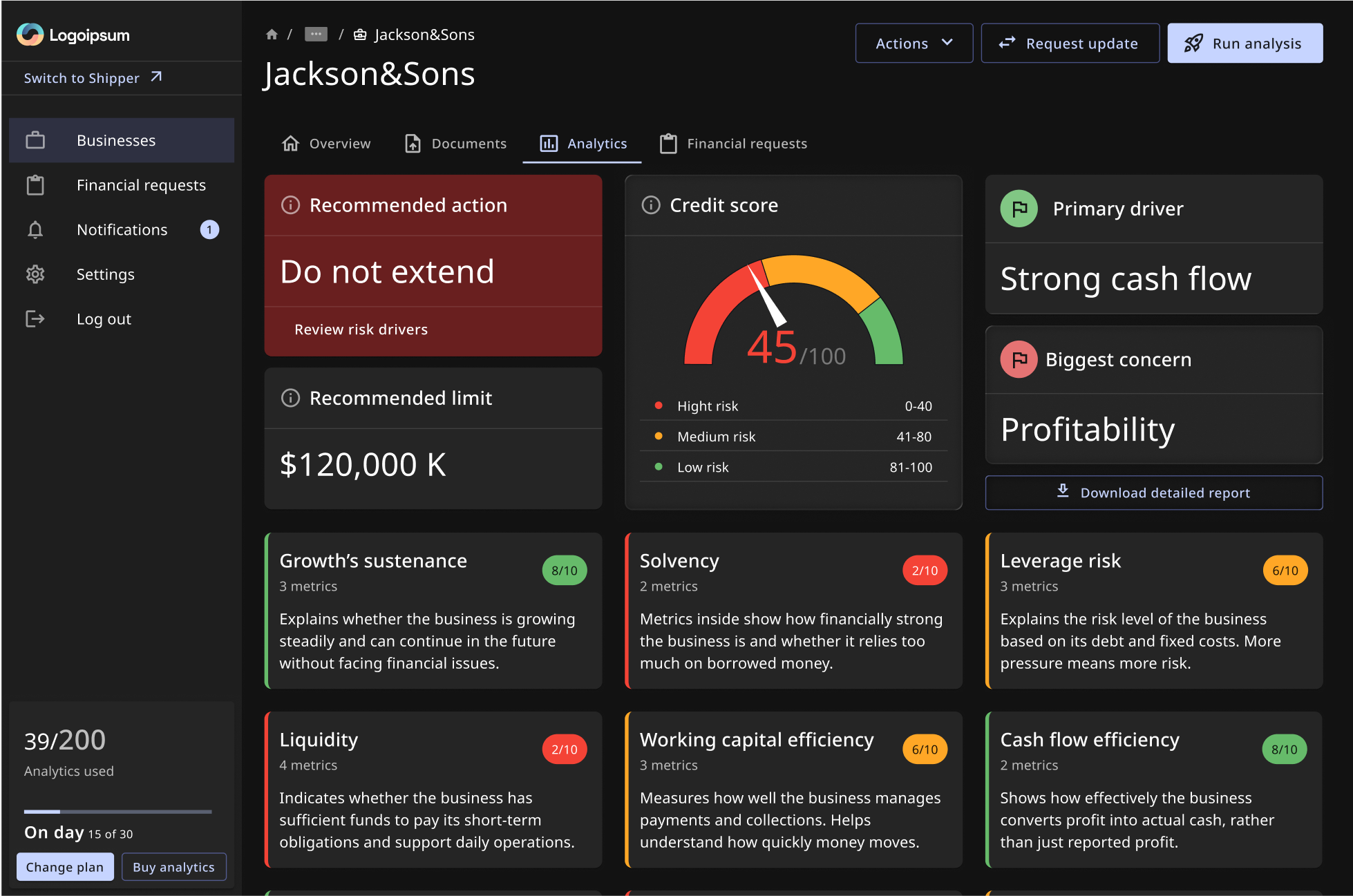
Connecting document readiness, parsing recovery and financial analytics into a decision-support workflow for logistics users.
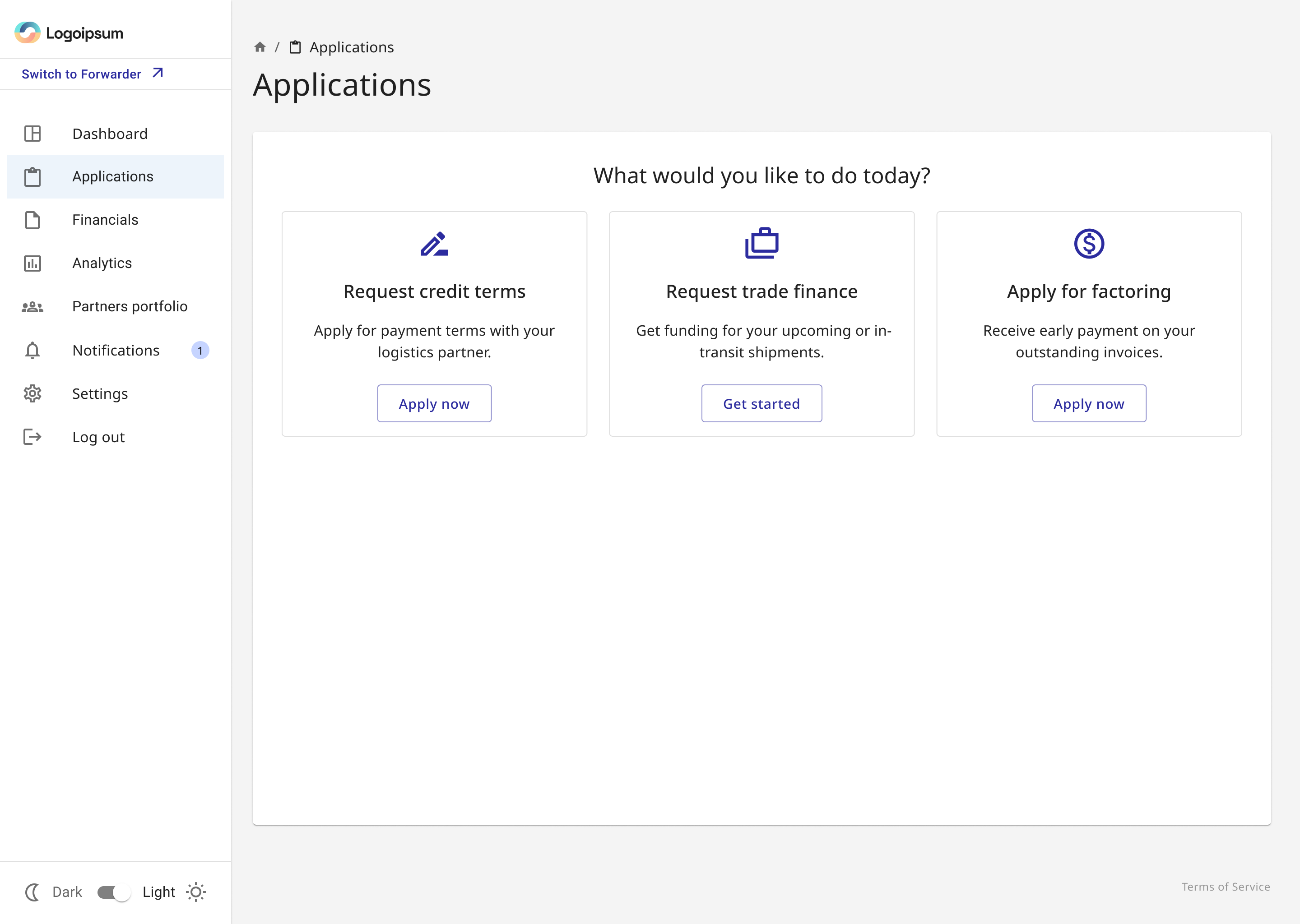
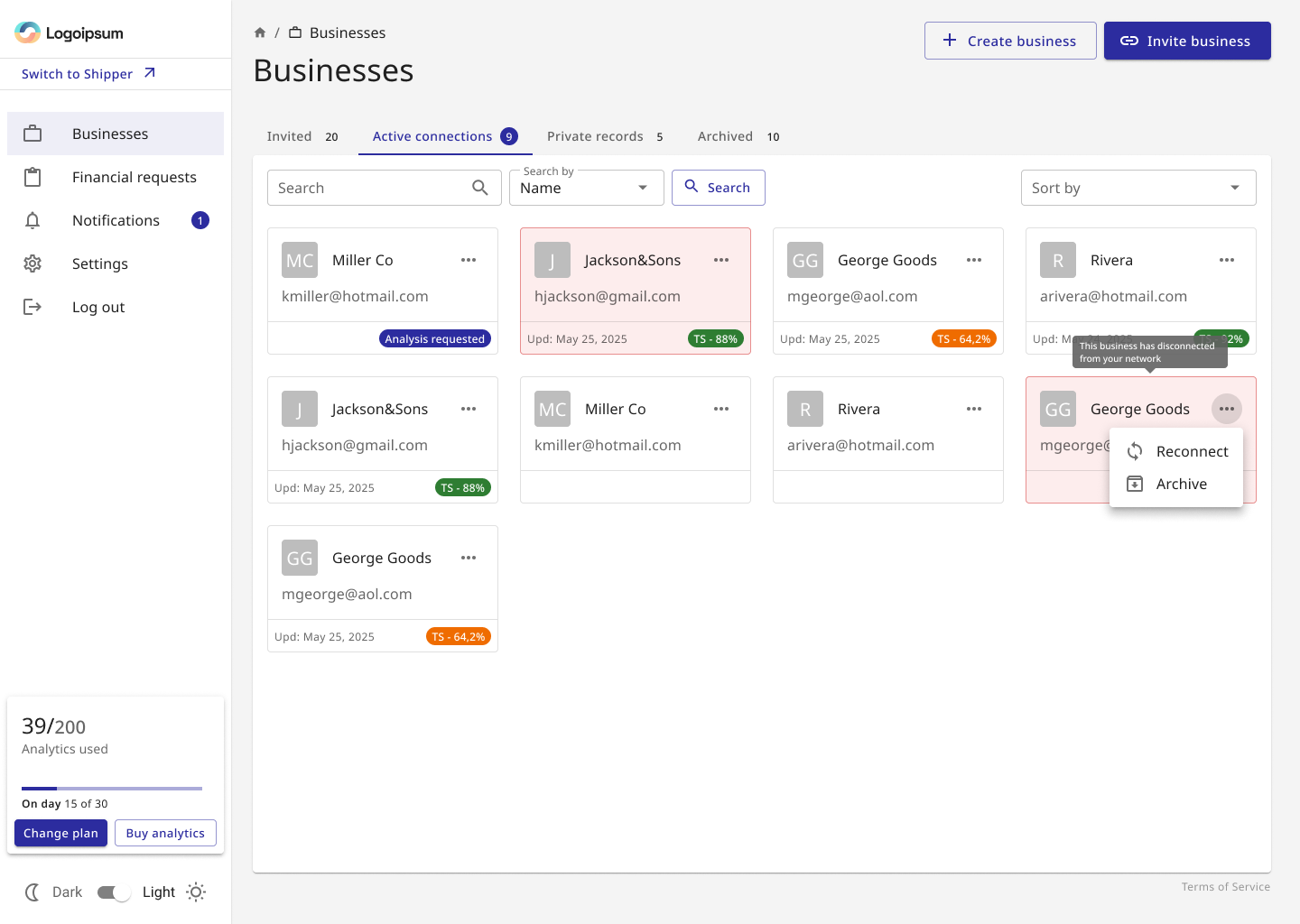
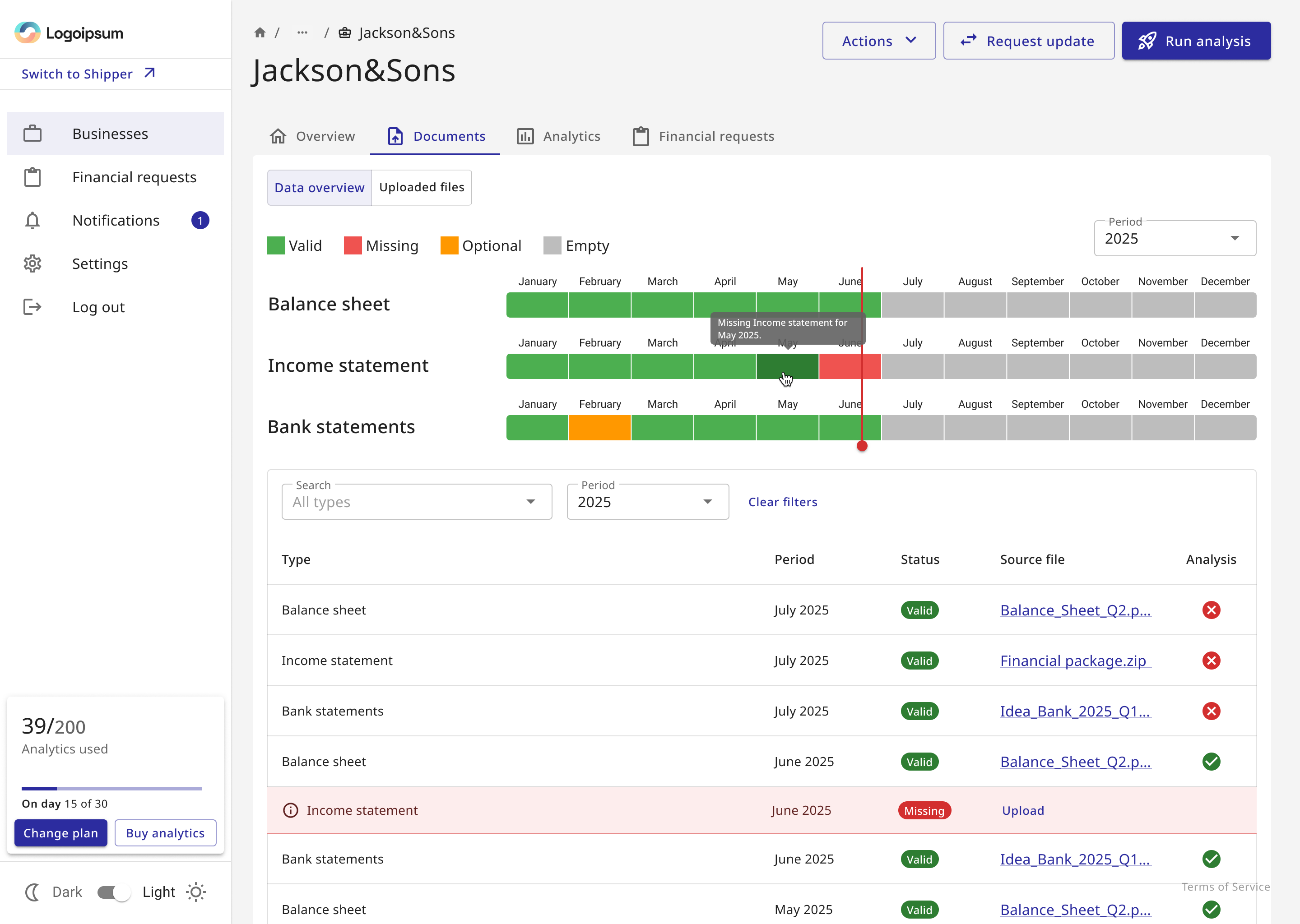
Evolving a logistics credit tool around two user roles, three financing products, business relationships and document readiness.
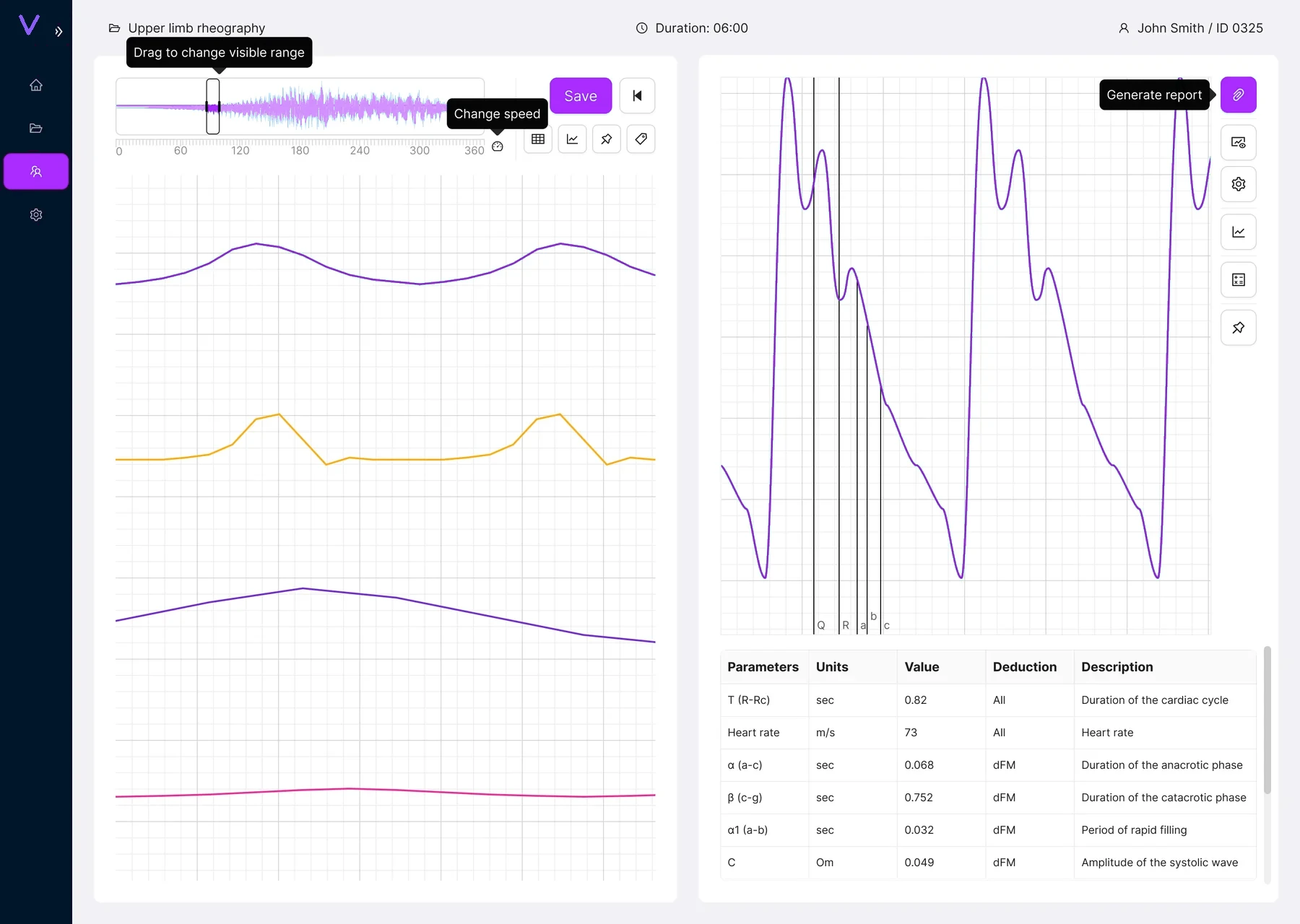
A desktop tool for patient records, study setup, live recording and cardiovascular signal analysis.
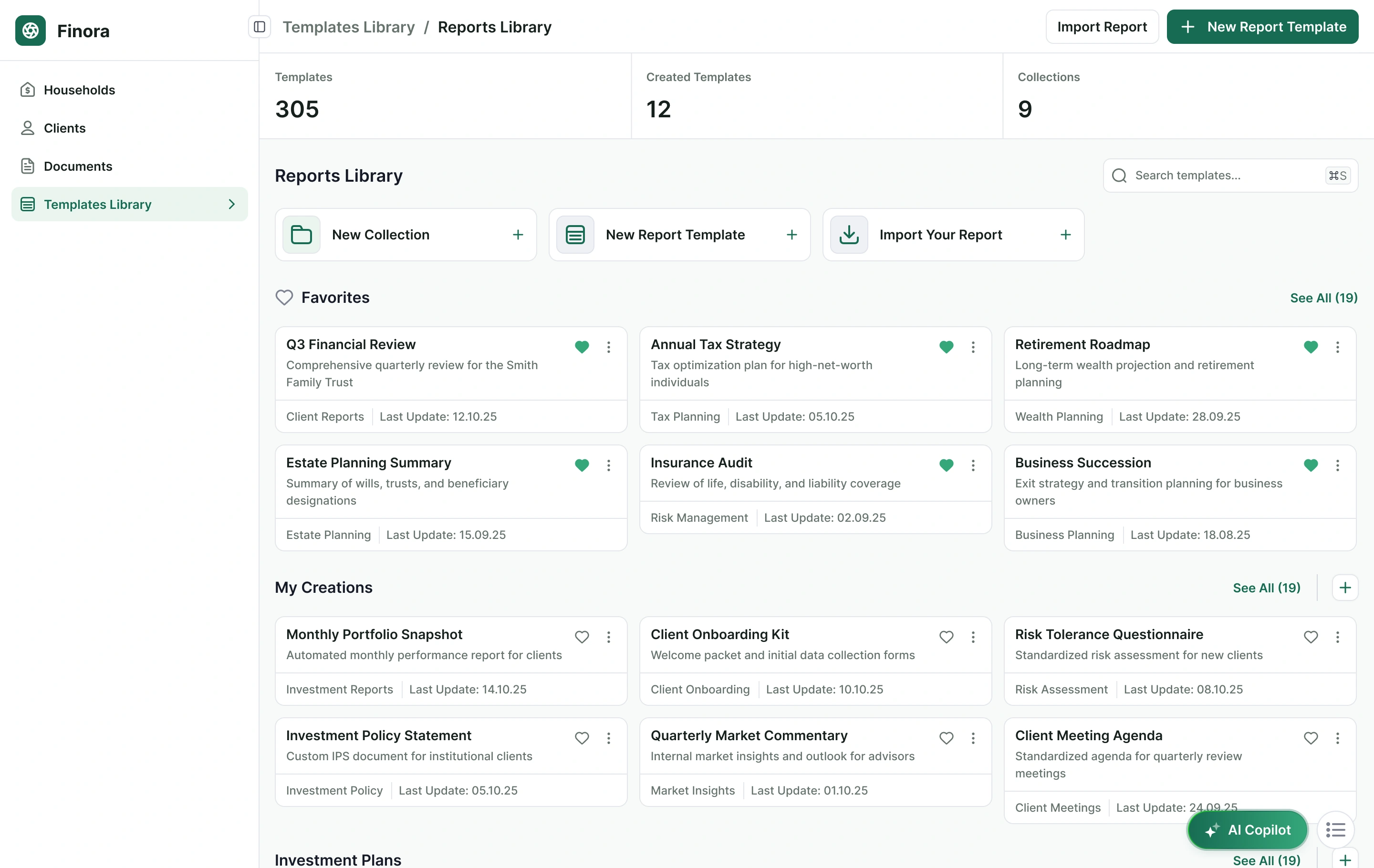
Expanding a financial-advisory SaaS across report import, content analysis, branding, reusable templates and placeholder mapping.
My strongest work sits between UX, product thinking and systems design. I like difficult products because the useful question is rarely “how should this screen look?” — it is “what does the user need to understand, decide or do next?”
I map roles, objects, dependencies, states and constraints so the interface reflects how the product actually works.
I prioritize the information that helps people understand what is happening, why it matters and what to do next.
Dense B2B products still deserve progressive disclosure, predictable interaction patterns and visual restraint.
Loading, errors, permissions, empty states, edge cases and developer handoff are part of the product — not cleanup work.
I care a lot about making difficult things feel simple, asking the annoying question that uncovers a product problem, and working closely with people instead of disappearing into Figma. Here’s a short hello so you can get a better sense of how I actually communicate.
Fintech, energy, healthcare, CRM and operational SaaS. The domain changes; the core problem is often the same: too much complexity competing for the user’s attention.
I’m most useful on products where UX requires more than arranging components: complex workflows, data-heavy interfaces, AI features, multiple roles, or business logic that needs to become understandable.